Operation Moonwatch
With increased global efforts to put satellites into orbit, the newly appointed head of the Smithsonian Astrophysical Observatory (SAO), Harvard astronomer Fred L. Whipple, initiated the “Moonwatch” program in 1956. Operation Moonwatch was developed to provide an immediate response to this new Cold War concern by using amateur astronomers to initially help with the identification and tracking of artificial satellites. Permanent professional tracking stations with wide-field cameras were eventually established, however, they still heavily relied on amateur information sent to the SAO.
Sky and Telescope Magazine article (November 1956) and Chattanooga Daily Times article (December 21, 1956)
Led by Llewellyn Evens, the BAS immediately got involved and the Clarence T. Jones Observatory was one of 40 initial Moonwatch stations officially registered with the SAO by late 1956. With the launch of Sputnik by the Soviet Union on October 4, 1957, the program became increasingly important. According to an October 20 Chattanooga Daily Times article, Llewellyn, his daughter Ruth, and Dr. Karel Hujer (professor of astronomy at the University of Chattanooga) saw the rocket over Chattanooga. The satellite itself was too dim to see with the naked eye at the time. According to Llewellyn, the satellite should easily be visible using binoculars and that “if they see the rocket they should see the satellite 23 to 30 minutes later, and about 5 degrees higher in the sky”. Sputnik and Sputnik II were eventually observed at the observatory in mid-November.
Photograph of BAS members Ralph Buice, Gary McCardle, and Bobby Thompson (left to right) speaking with SAO astronomer Dr. Gustav Bakos (seated in the center) in the lecture room of the Clarence T. Jones Observatory (1959; Image Credit: unknown photographer) and a photograph Llewellyn Evans and others on the roof of the Clarence T. Jones Observatory (Image Credit: unknown date and photographer)
The Moonwatch program lasted from 1956 until 1975. During that time, the United States launched its first artificial satellite on February 1, 1958 (Explorer I) and even a 10-story high balloon launched in 1960. By late 1961, the United States had launched 45 satellites compared to 13 by the Soviet Union. The observatory and associated Moonwatch members were even visited by SAO astronomers in 1959 and 1962 to assist with training volunteers. In the end, the BAS and observatory played a crucial role in the early days of the space race.
Recognition award presented by the Smithsonian Astrophysical Observatory to the BAS for their efforts towards the MOONWATCH program and a photograph taken of the eventual updated satellite tracking telescope on the roof platform above the planetarium at the Clarence T. Jones Observatory (Chattanooga News-Free Press article (August 9, 1970)
- Previous
Next -
“Science is nothing more than a never-ending search for the truth.” - Ann Druyan
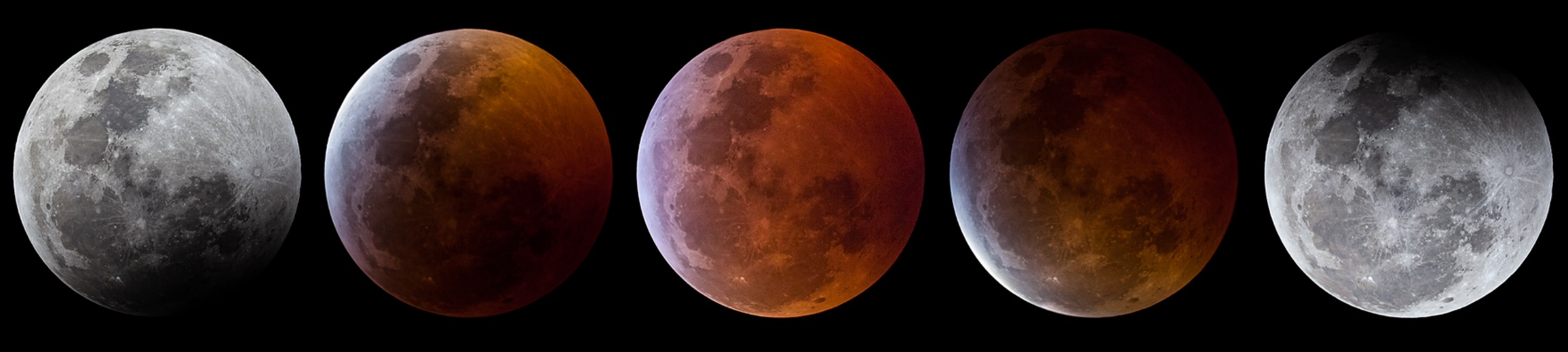
Image Credit: BAS Member Dennis Sprinkle